
What to Do in Gjirokastra: The Complete Guide to the Stone City.
Wondering what to do in Gjirokastra? From the UNESCO castle to Ottoman houses, bazaars and traditional food — this is the complete guide to the Stone City.
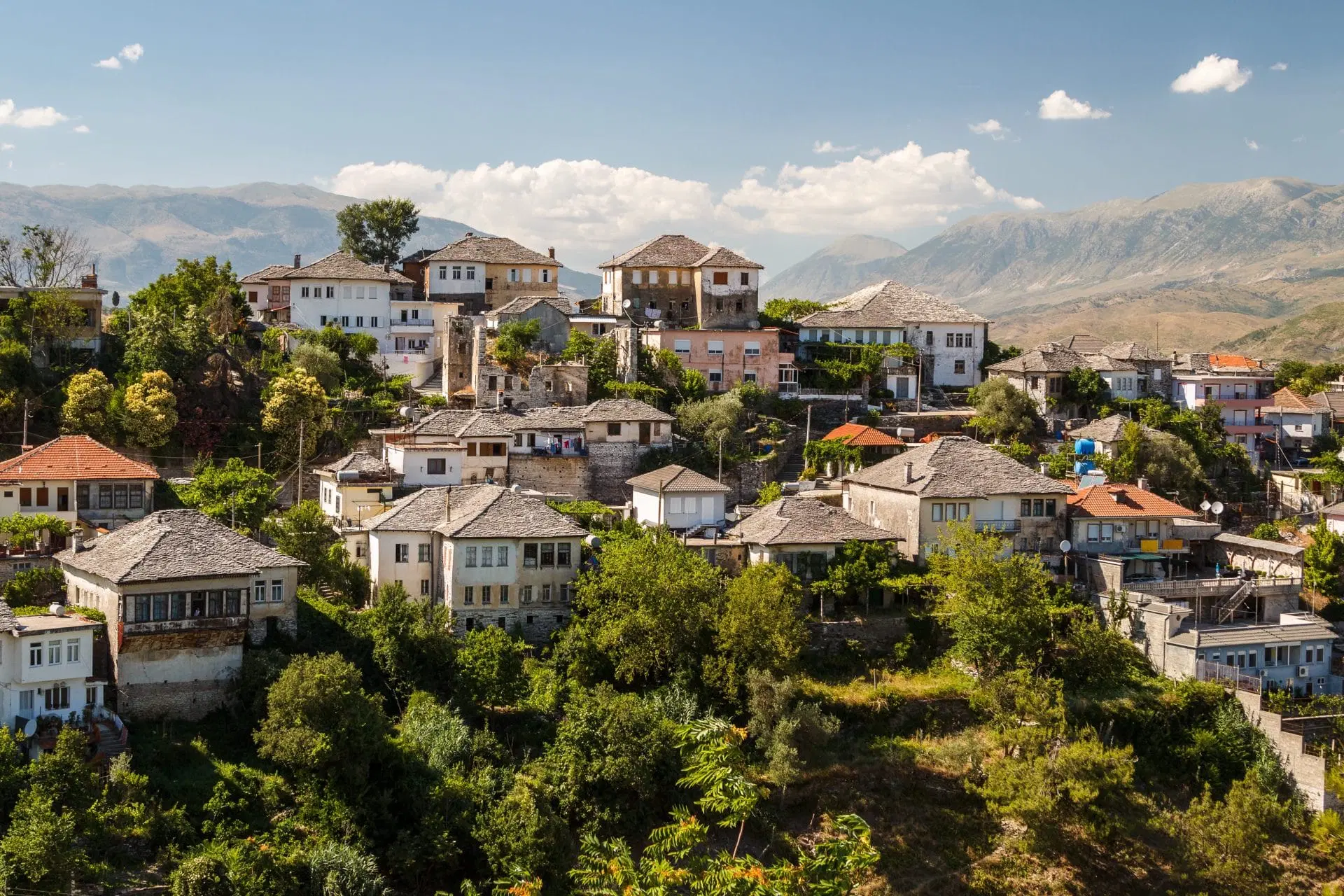
Locals call it the Stone City, and once you see it sprawling along the slopes of the Drino Valley — the slate roofs gleaming in the light, the fortress guarding everything from above — the name seems entirely natural. This city, part of the UNESCO World Heritage, is one of the most enchanting places in all of Albania: cobblestone alleys that climb at incredible steep angles, a bazaar still bustling with artisans, and Ottoman-era mansions that have seen centuries pass from their hillside balconies.
If you're planning a trip and wondering what to do in Gjirokastra, this guide takes you through everything that's worth it — how to get there, how long to stay, places not to miss, and where to eat like a local.
How to get to Gjirokastra?
Gjirokastra is located about 230 km south of Tirana. Thanks to the continuous road improvements in Albania in recent years, getting there is more convenient than ever.
By car: The journey takes just over three hours. You can either drive from Durrës — a flatter route, but with heavier traffic depending on the time of day — or from Elbasan. Either way, the journey itself is scenic, especially as you descend south.
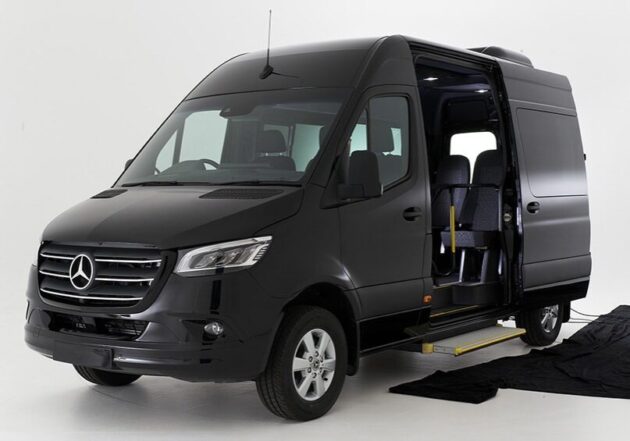
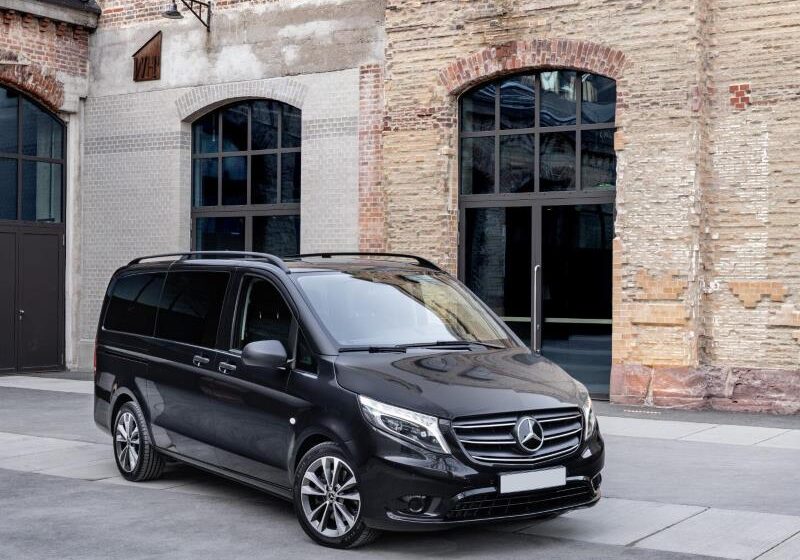
By transfer or organized tour: If you want to avoid the logistics, a private transfer or guided day tour is the easiest option — someone else drives, and you arrive ready to explore.
How Long Should You Spend in Gjirokastra?
What to Do in Gjirokastra: Top Places
The magic of Gjirokastra is architectural. This was an Ottoman trading city, and its wealth is evident in the stone-roofed houses and fortified towers that line the hills. Here's where to start.
1. Explore the Gjirokastra Castle
The castle is the heart of the city and the best thing to do here. This vast fortress — with roots stretching back to the 4th–5th centuries — has passed from empire to empire, each leaving its mark on the walls.
Inside is the city museum, one of the most comprehensive in Albania, tracing the country's history from prehistory, through the medieval era, to modern times. History buffs can easily spend two to three hours among the artifacts, clothing, and weaponry.
During World War II the castle served as a prison and strategic stronghold, and the corridor leading to the outer terrace displays Allied and captured artillery, including a preserved aircraft believed to have been shot down in Albania. Don’t miss the clock tower, added by Ali Pasha Tepelena in the early 19th century and now a symbol of the city — as well as the panoramic views over the valley from the promenade.
2. See the Museum of Weapons and Socialist Realism Art
For a small additional fee, the upper level of the castle houses an unexpected collection of socialist realist paintings — the state-sponsored artistic style that glorified the partisan fighters who liberated Albania from Nazi occupation — along with old rifles and heavy weaponry. Continue on and you’ll reach the old prison cells, whose walls still bear the names, prayers and messages of the prisoners who were once held here. In eerie silence.
3. Visit the Ethnographic Museum
Built on the site of the former family home of dictator Enver Hoxha, this four-story house is no homage to him. Rather, it is a careful recreation of a traditional 19th-century Gjirokastrian home, furnished with authentic household items, folk clothing, and kitchen utensils. It is the clearest window you will get into the life of a wealthy local family.
4. Go Underground in the Cold War Tunnel
Hidden beneath the city, this 800-meter-long bunker was secretly built as an emergency shelter during the communist-era fear of invasion. A short guided tour takes you through the decontamination room, generator room and air filtration rooms, past rotary telephones and rusty machinery. Cold, dark and truly terrifying — it takes you right into the paranoia of the time.
5. Enter the Zakat House
Built in 1811–1812, this three-story tower is one of the finest examples of Ottoman architecture in Gjirokastra. It belonged to Beqir Zeko, an administrator of Ali Pasha, and its position in the Palorto neighborhood offers sweeping views over the valley. Inside: decorated ceilings, storage rooms, a cistern, and a panoramic balcony made for photography.
6. Visit the Skënduli House
Dating from the early 1700s and renovated in 1827, the Skënduli House is a stunning work of design — 64 windows, 40 doors, 12 rooms, 9 fireplaces, and 4 hammams. A member of the Skënduli family still accompanies visitors, sharing stories of daily life, gender roles, and celebrations during the Ottoman period.
7. Visit Kadare's House
Gjirokastra is the birthplace of Ismail Kadare, Albania’s most famous writer. He grew up in this 1799 house and later immortalized it in his novel Chronicle in Stone. Today, a cultural monument, it still houses family belongings — a must-see for anyone who loves literature or wants to see Kadare’s descriptions come to life.
8. Admire the Bazaar Mosque
The Bazaar Mosque was the only one of Gjirokastra's mosques to survive the regime's oppression of religion, gaining monument status in 1973. Beautifully positioned above the bazaar, its balcony offers magnificent views over the old city.
9. Shop at the Old Bazaar
No market town is complete without its bazaar, and Gjirokastra’s is a delight — dozens of shops lining the cobblestone streets selling hand-woven rugs, traditional clothing, stonework, and souvenirs. It’s the perfect place to slow down, watch local artisans at work, and sip a shot of raki in between.
10. Climb the Ali Pasha Bridge
For a break from the city, walk about 30 minutes out to Ali Pasha Bridge (Dunavat Bridge), a surviving part of the 19th-century aqueduct that once carried water to the citadel. The path passes by old houses before opening up to views of the valley, and the arched stone bridge — 16 feet high, 40 feet long — is a quiet, off-the-beaten-path spot for photos.
Where to eat in Gjirokastra?
Gjirokastra has a food culture all its own. Two local specialties to look out for: qifqi, fried, salted rice balls with a delightful crunch, and oshaf, a goat's milk dessert layered with figs, nuts and cinnamon.
Hotel Bar Restaurant Kodra — hilltop terrace with some of the most beautiful views of the city; traditional dishes like slow-cooked lamb, grilled vegetables, and homemade pie.
The room — a warm family-friendly place in the market that serves meatballs, pancakes, and homemade jams, with a few picturesque tables on the balcony upstairs.
Traditional Tavern Kardhashi — tucked away in the Dunavat neighborhood, ideal on the way to or from Ali Pasha Bridge; generous portions of grilled lamb, yogurt casserole, and homemade pickles, away from the crowds.
Whether for its castle, towers, literature or food, Gjirokastra deserves its place high on any itinerary in Albania. It's one of those cities that rewards you for a leisurely stroll — so give yourself time to get lost in the Stone City.
 Albanian
  English
  Italian
  German
  Greek
Greek  Hebrew
  French
  Serbian
  Turkish
  Spanish
  Polish
  Maltese
  Slovak
  Hungarian
  Swedish